Fintech Ad Examples
Browse AI-generated fintech ad examples for finance apps and banking products. Trust-building creatives that drive downloads and signups.
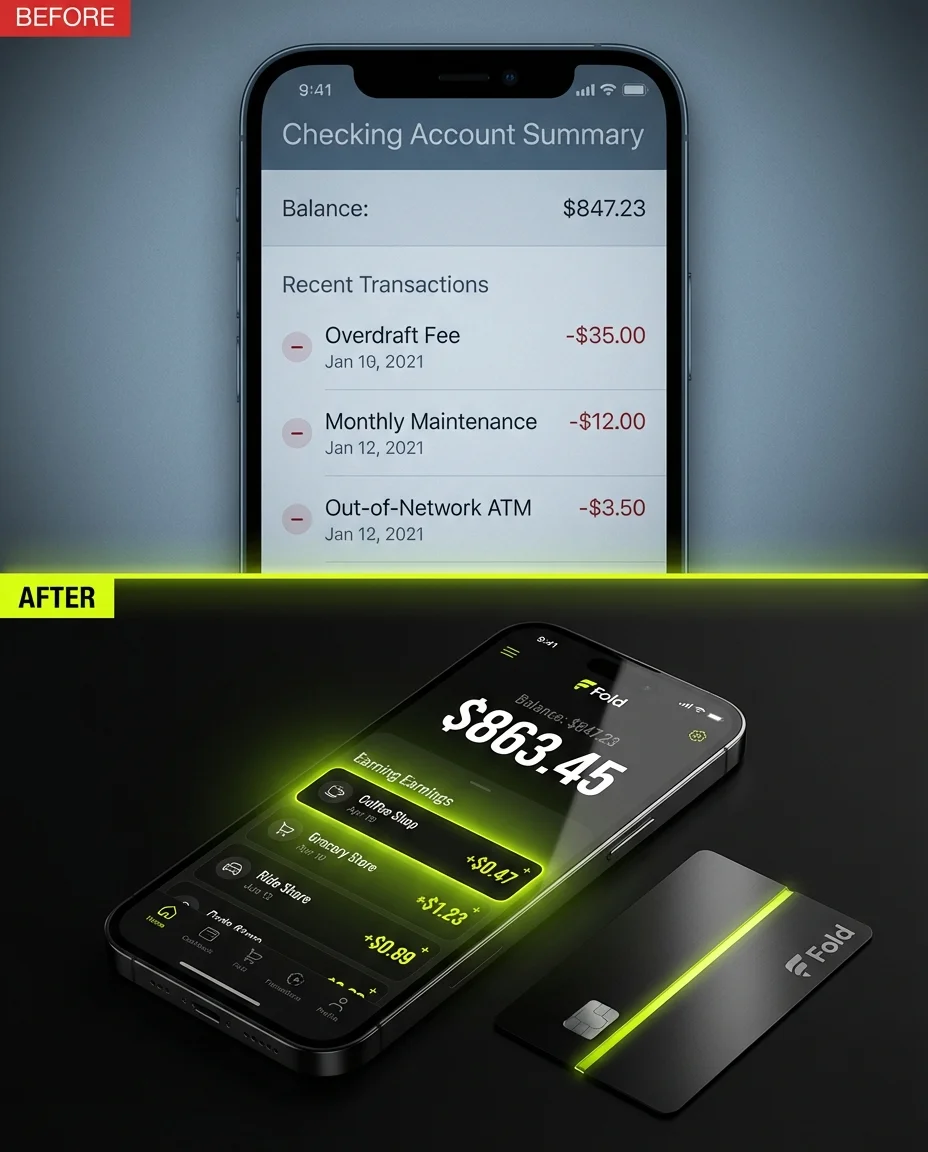
“Same coffee run. Different bank account.”
Fold
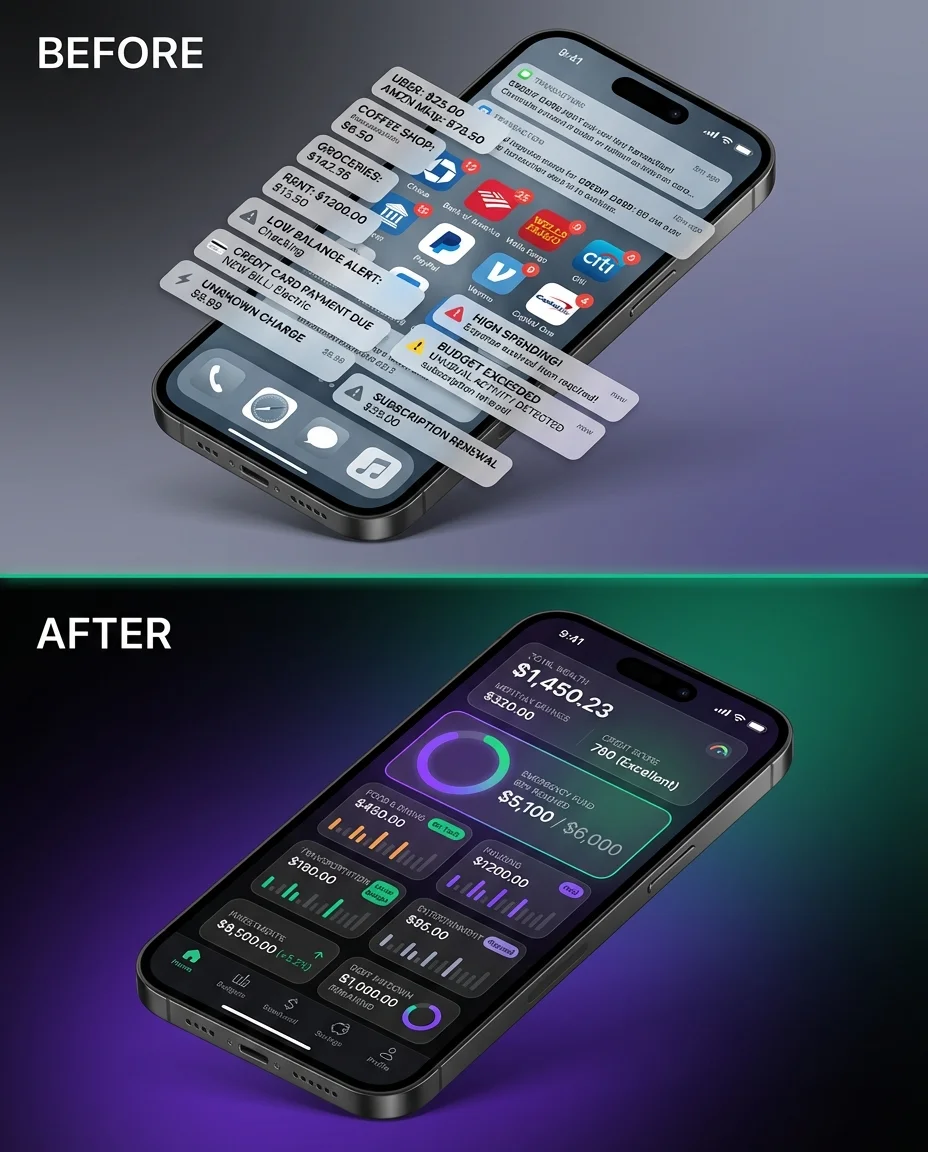
“Same income. Same expenses. Different clarity.”
Stackwell
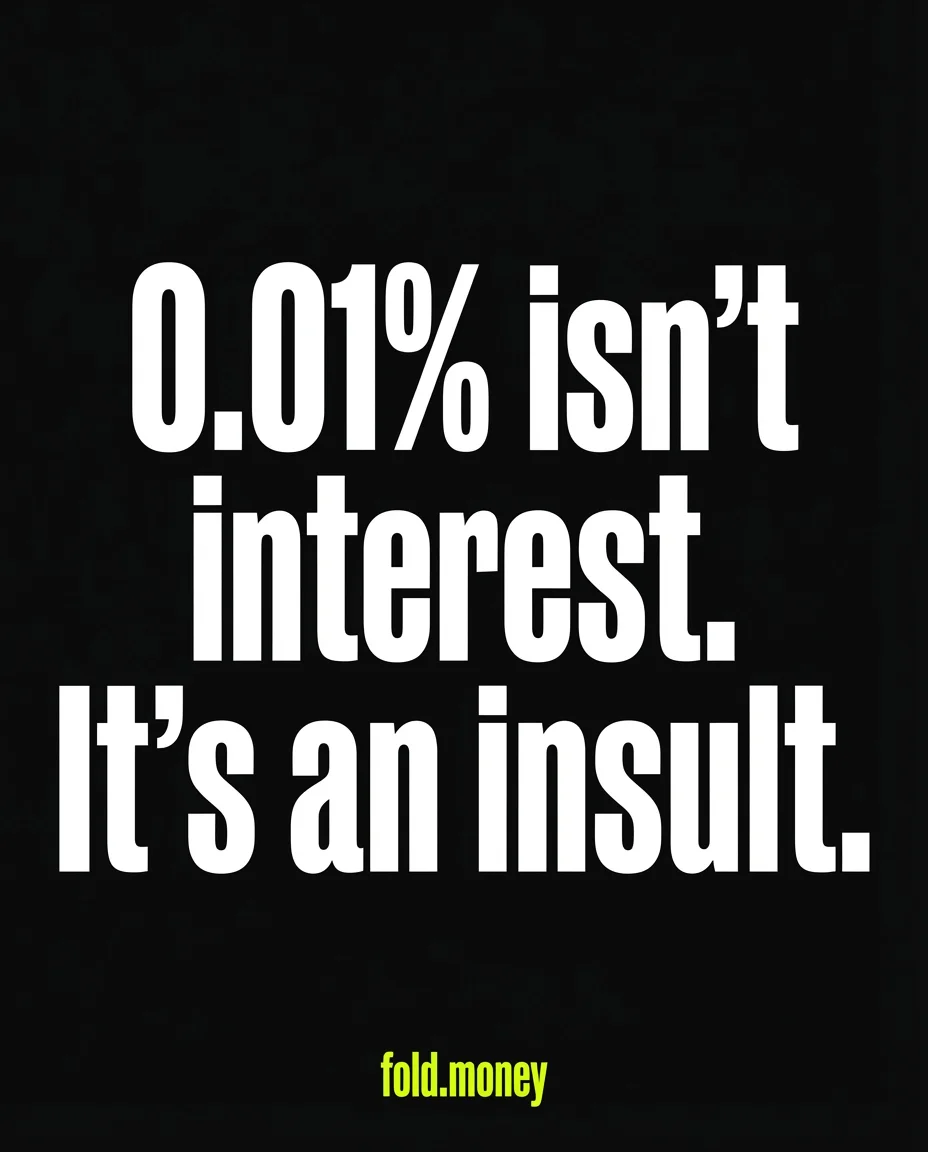
“Your bank gives you 0.01% APY. We give you 4.5%.”
Fold
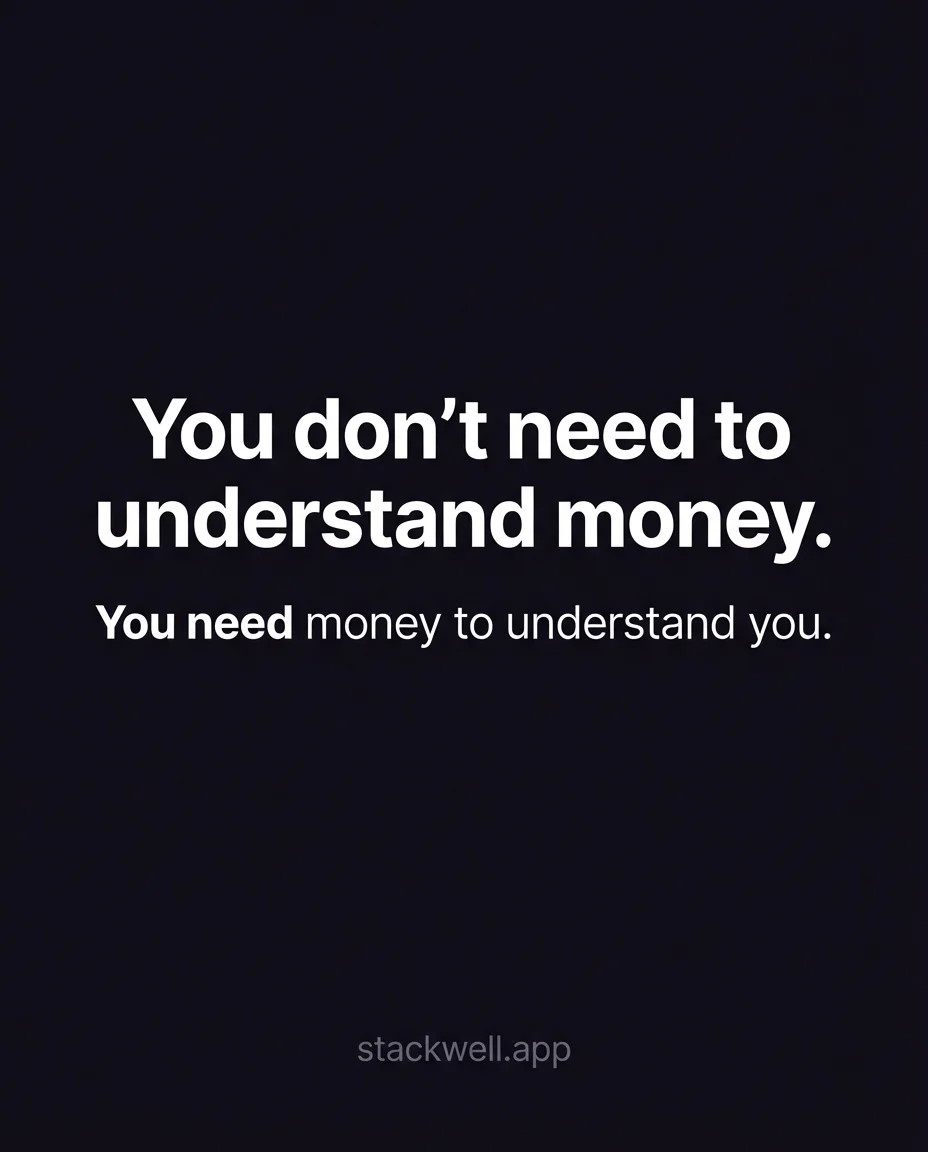
“You don't need to understand money.”
Stackwell
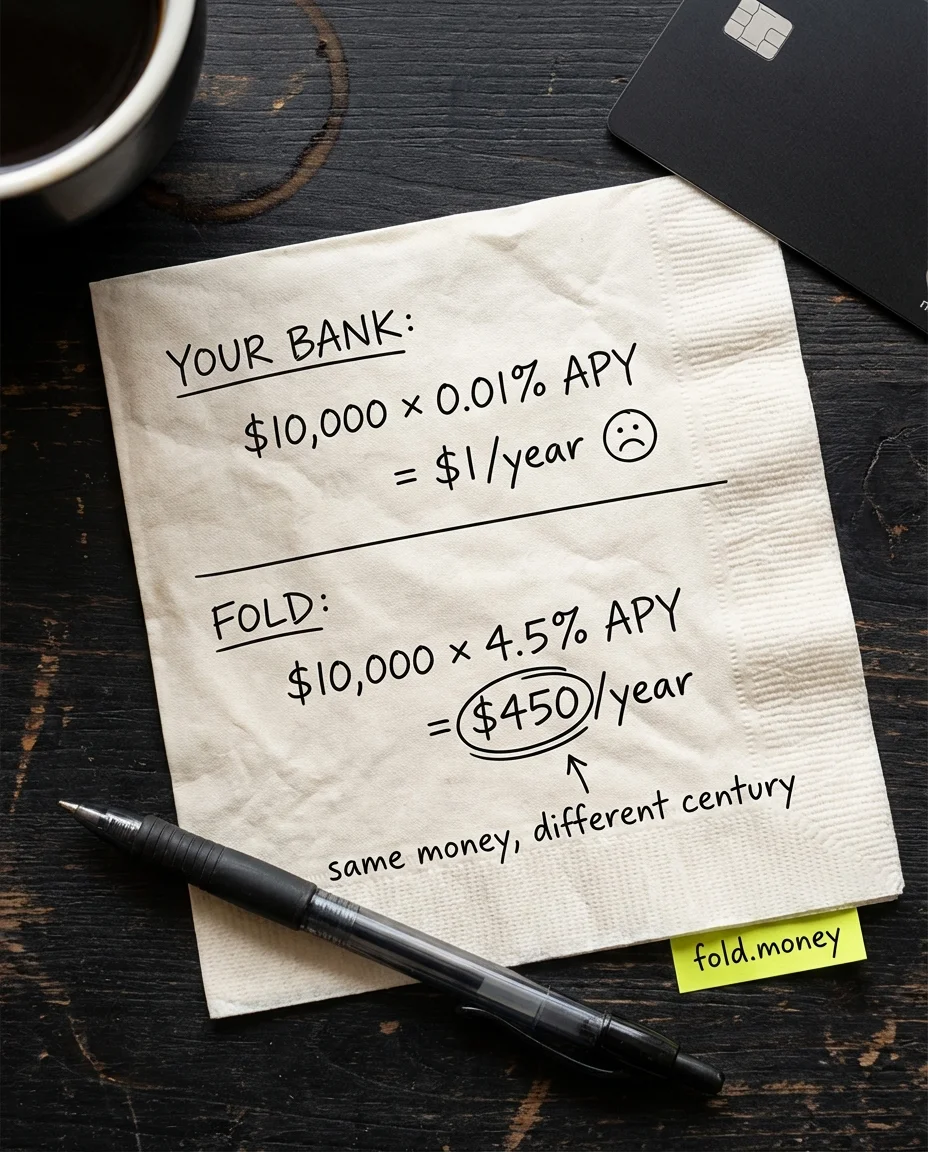
“Your bank is costing you $450/year. Here's the math.”
Fold
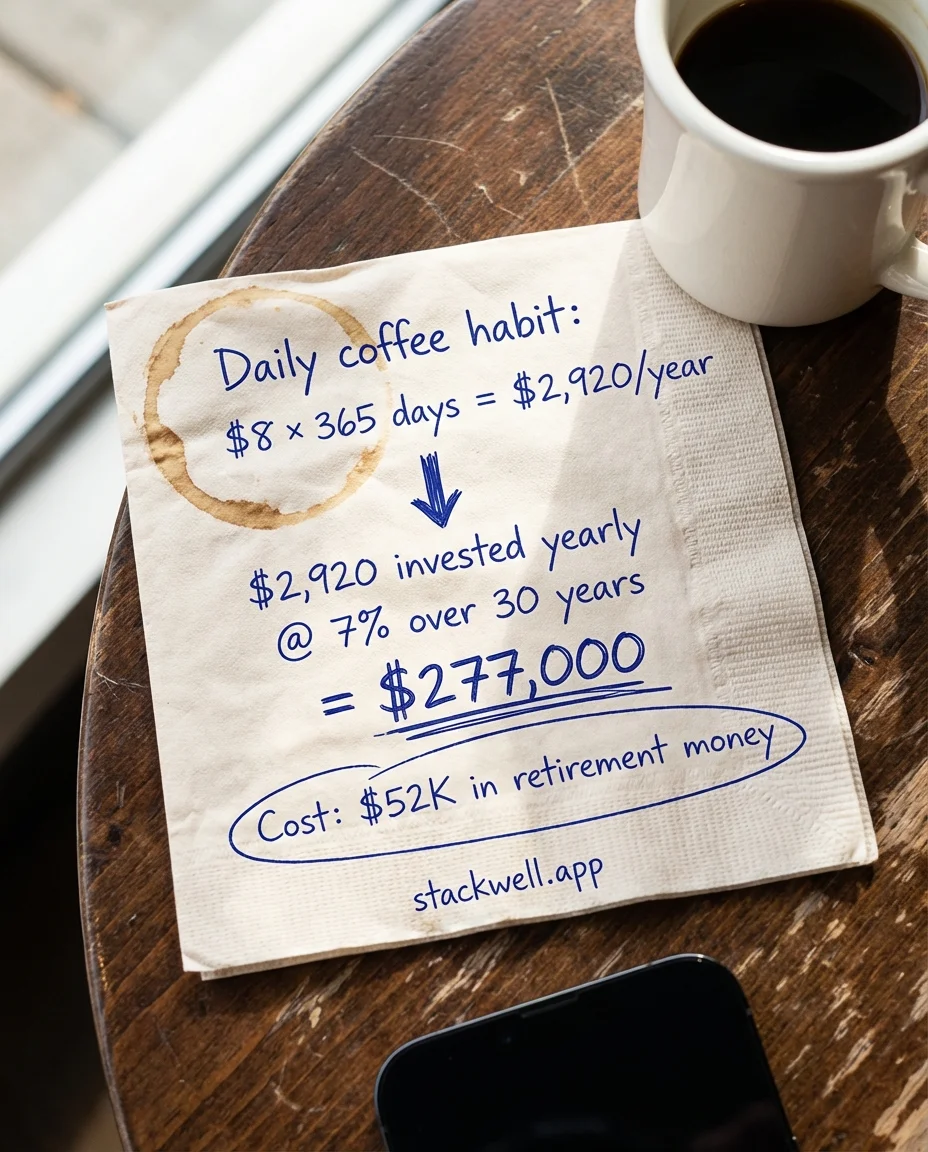
“This napkin math will haunt you.”
Stackwell

“This is what 'instant cashback' actually looks like.”
Fold

“This is inside the free app.”
Stackwell
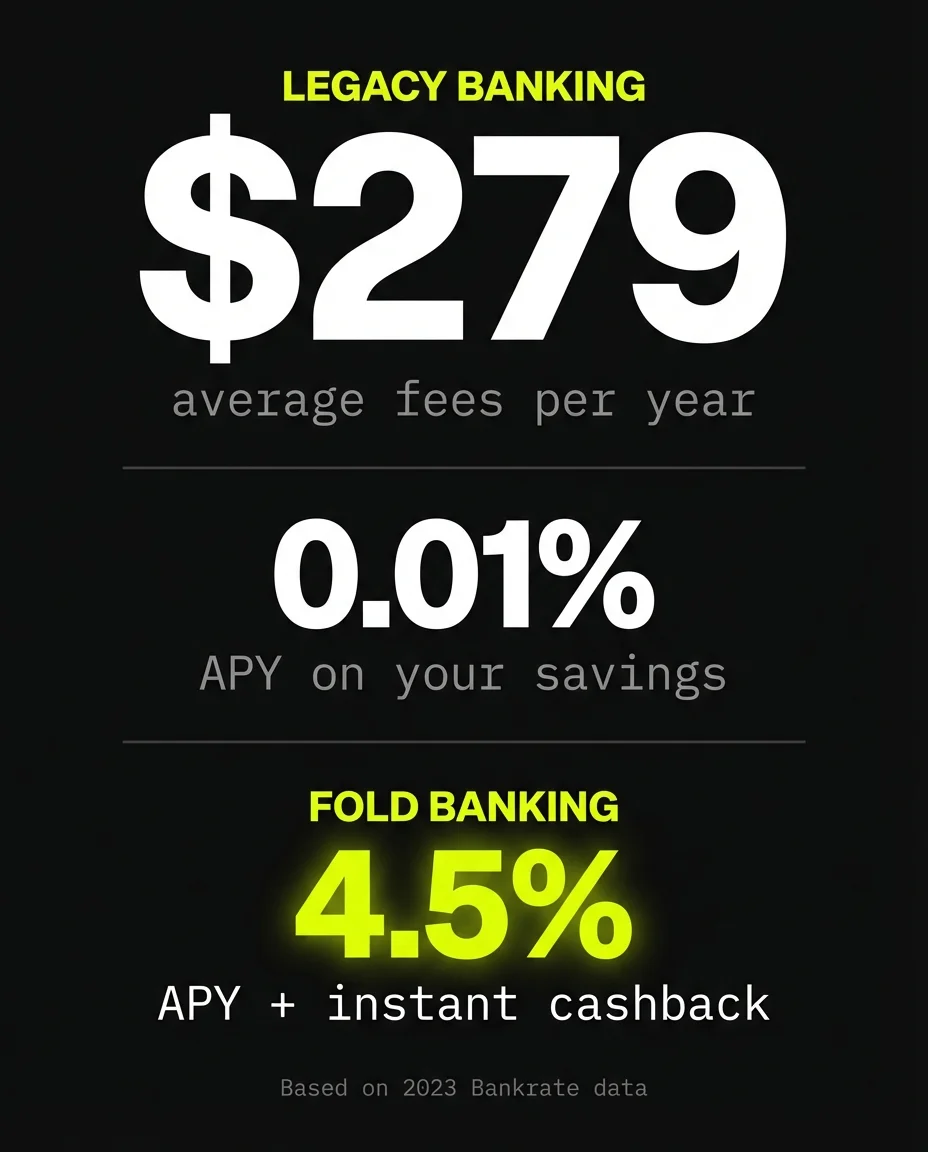
“Your bank charged you $279 last year. We paid our users back instead.”
Fold
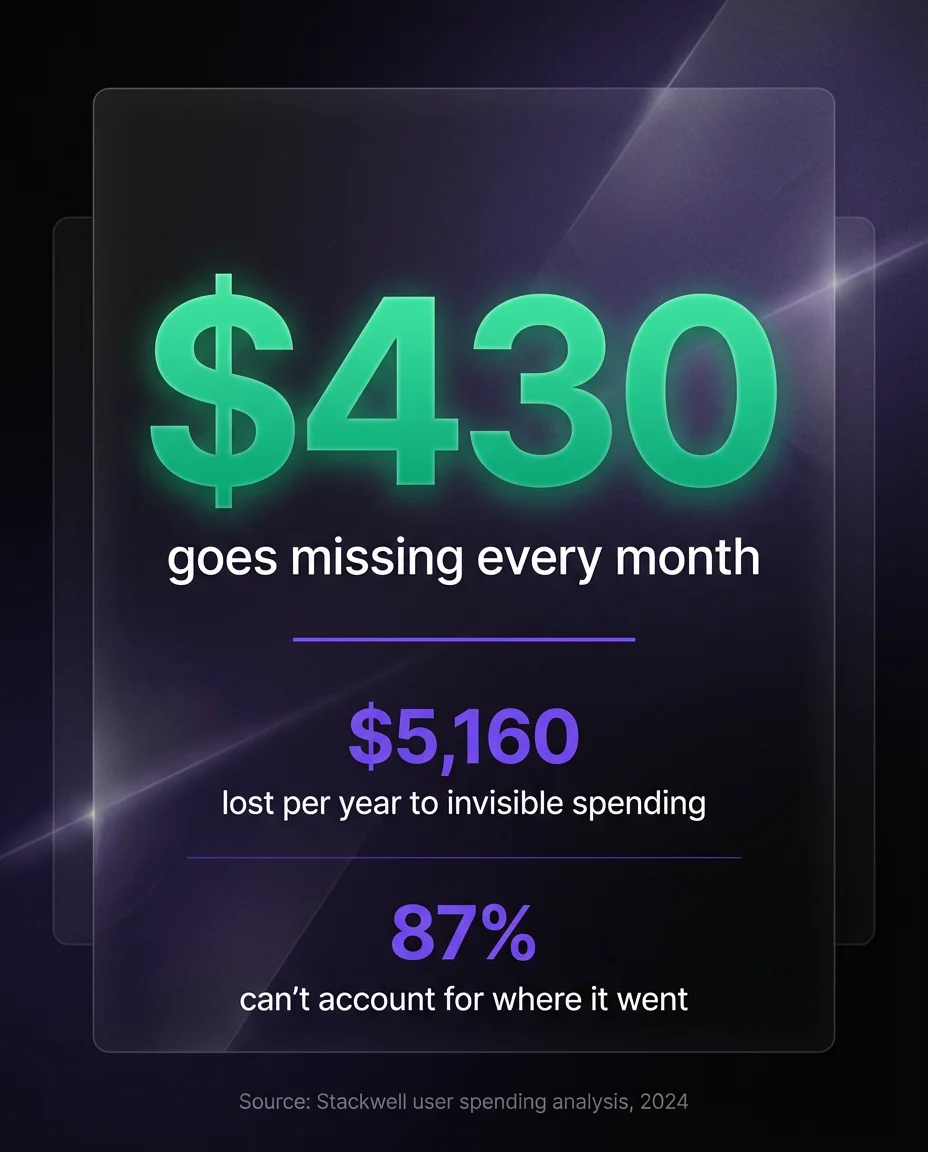
“Where did $430 go last month?”
Stackwell
What works in fintech advertising
Trust signals are non-negotiable. FDIC insurance, encryption standards, and regulatory compliance should be visible without clicking through.
Use real numbers, not vague promises. '$347 saved in the first month' is infinitely more compelling than 'save money with our app.'
Simplify complex financial concepts. If your ad requires financial literacy to understand, you've already lost 90% of your audience.
Show the app UI in your ads. For a product people will use daily, the interface needs to feel clean, modern, and trustworthy before they'll download.
Comparison ads work exceptionally well in fintech. 'Your bank charges X. We charge $0.' makes the value proposition instantly clear.
Winning ad angles for fintech brands
Hidden fee exposure
show what traditional banks are actually charging through fees, poor rates, and hidden costs.
Financial clarity
position the app as making invisible money problems visible and solvable.
Napkin math that stings
simple calculations showing what inaction costs over 5, 10, 20 years create urgency without hype.
Peer comparison
'the average user saves $X/month' uses social proof without making guarantees.
Anti-banking-establishment
position as the modern alternative to institutions that profit from consumer confusion.
Common fintech ad mistakes
Leading with features instead of outcomes. Nobody wants 'automated portfolio rebalancing' — they want 'your money growing while you sleep.'
Ignoring the trust barrier. Finance is the highest-trust category in consumer apps. If your ad feels even slightly scammy, you've lost the audience permanently.
Using aggressive growth language that triggers regulatory scrutiny. 'Get rich' and 'guaranteed returns' are both false and potentially illegal.
Targeting everyone with the same message. A 22-year-old's financial concerns are fundamentally different from a 45-year-old's.
Making the sign-up process feel high-friction in the ad. If your CTA mentions SSN, credit check, or bank linking, conversion drops dramatically.
Fintech ad creative checklist
Generate fintech ads for your brand
Tell Daily Ads about your product. Get scroll-stopping creatives in minutes — no designer needed.
Try Daily Ads Free