Fitness Ad Examples
Discover AI-generated fitness ad examples for gyms, workout apps, and health brands. Scroll-stopping creatives that drive signups and engagement.
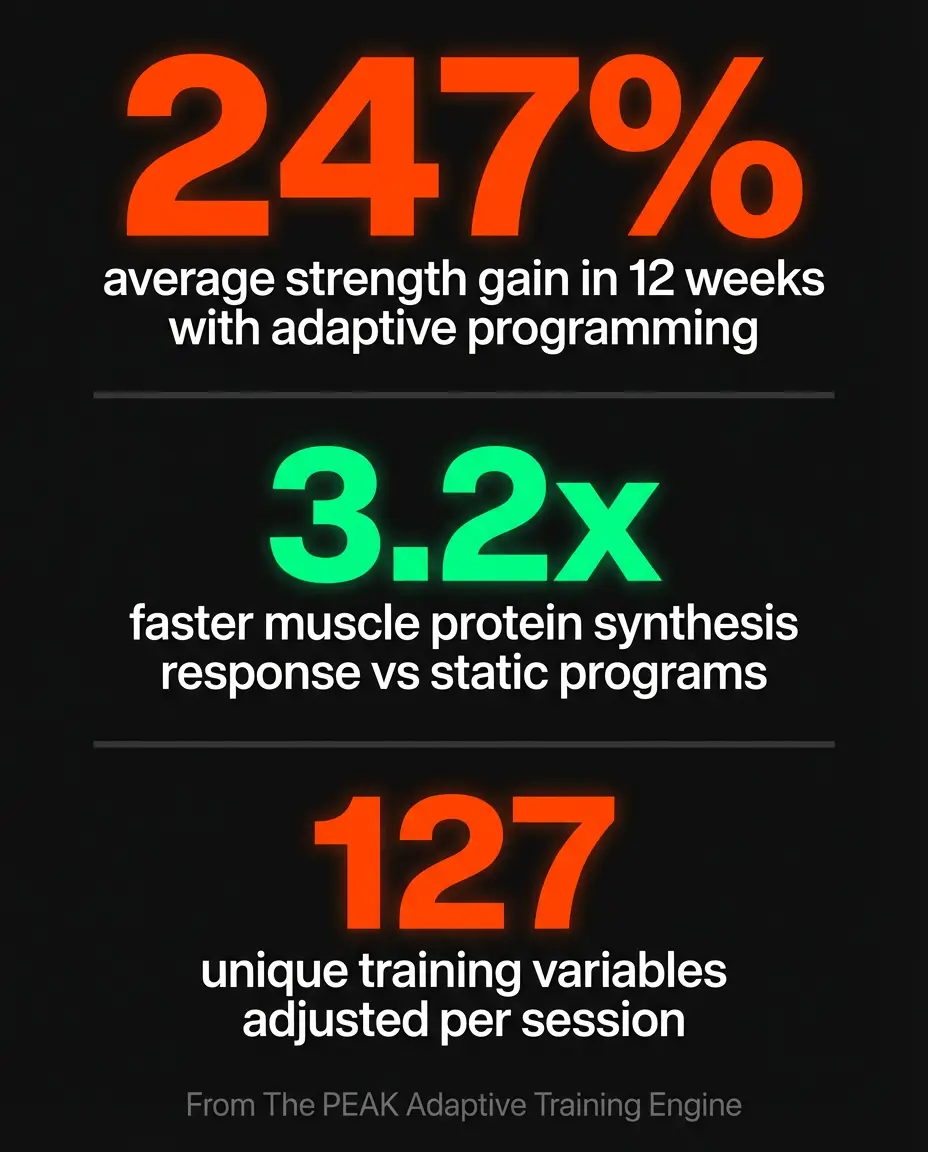
“The difference between programs that adapt and programs that just repeat”
PEAK Performance

“Your body isn't guessing. Why is your program?”
PEAK Performance
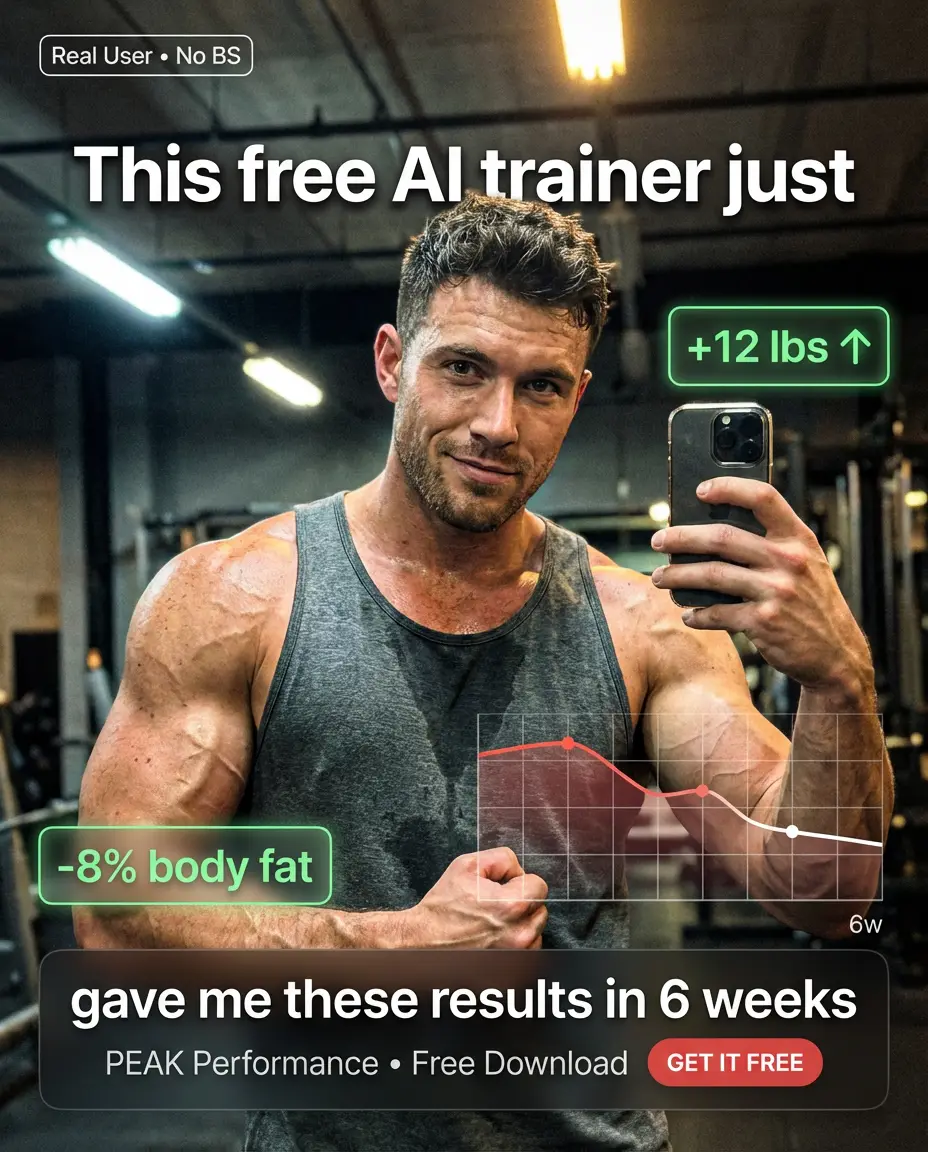
“6 weeks. No trainer. Just this app.”
PEAK Performance
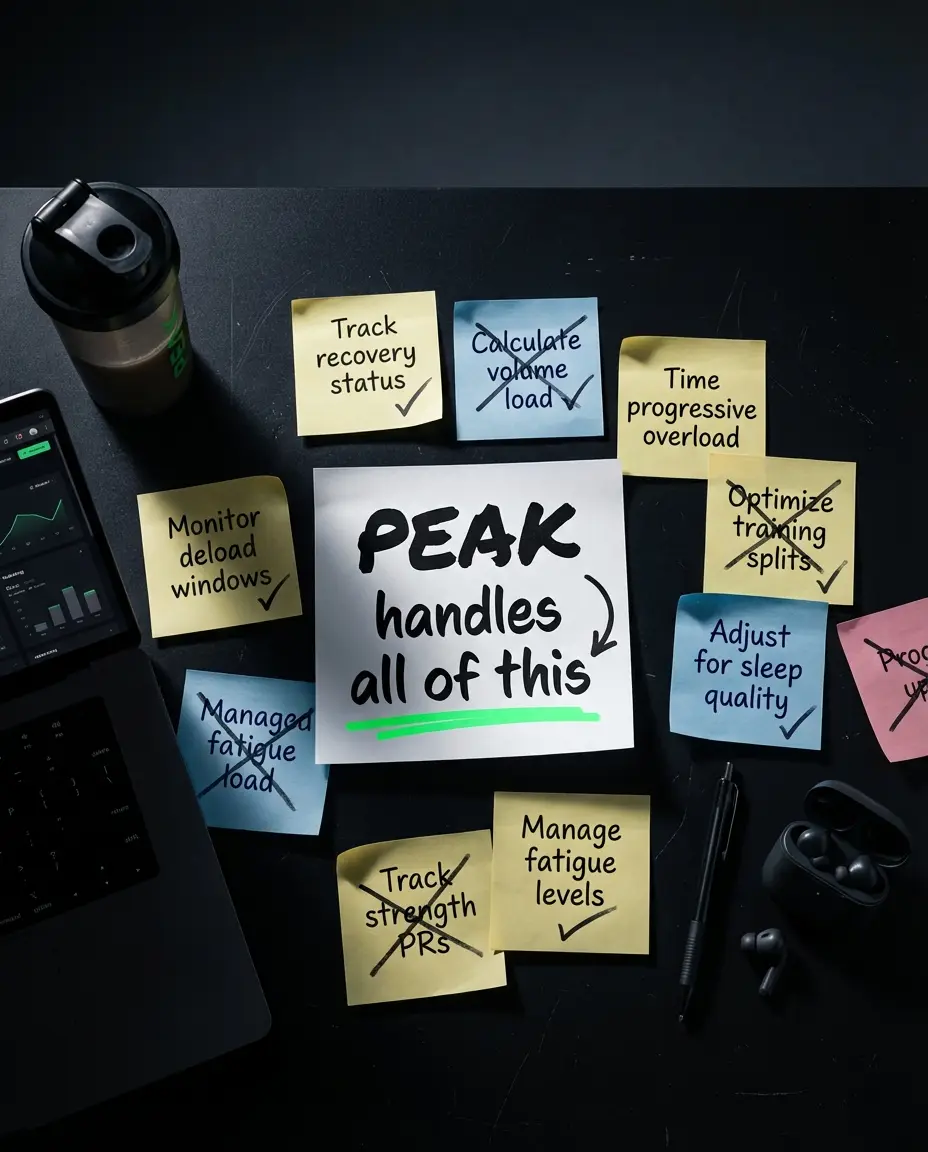
“Your body keeps score. Now something finally reads it.”
PEAK Performance
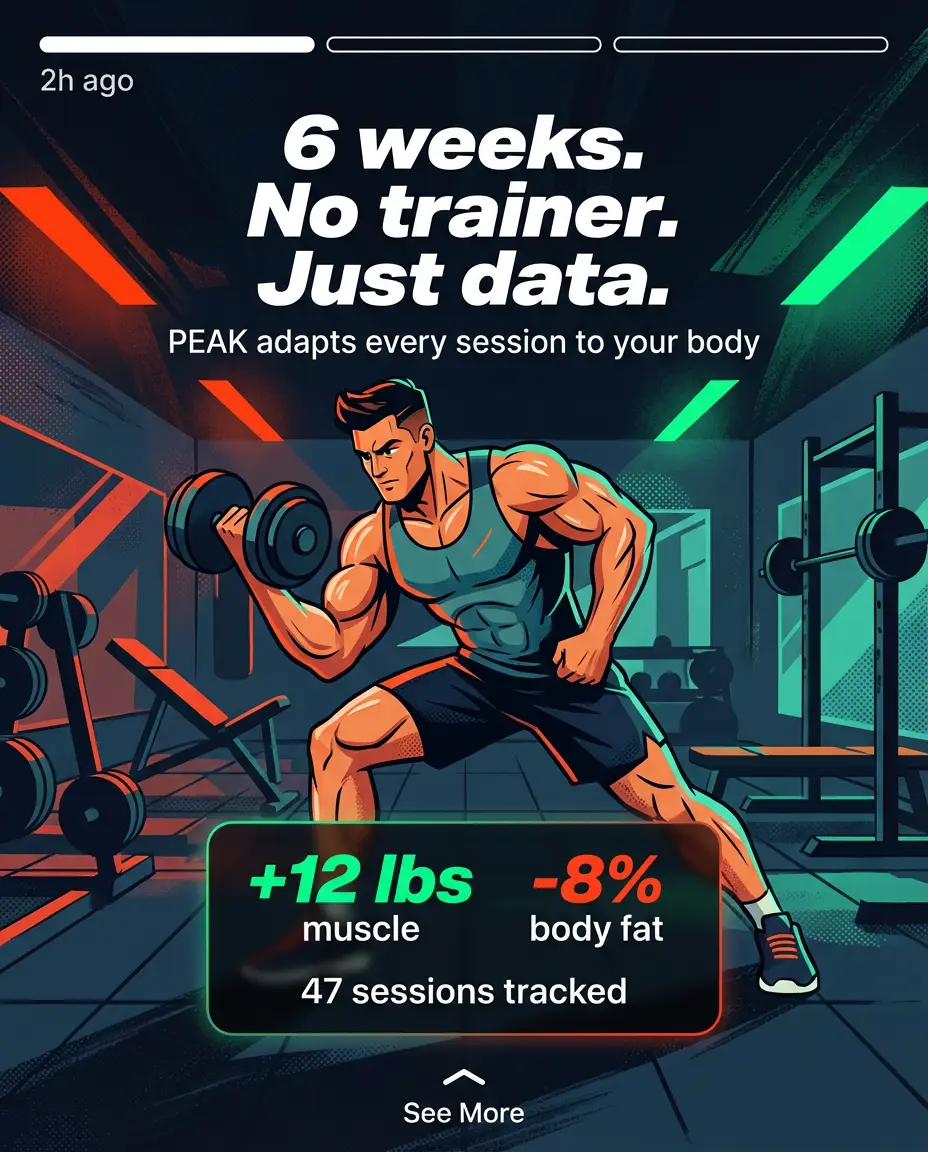
“6 weeks. No trainer. Just data.”
PEAK Performance
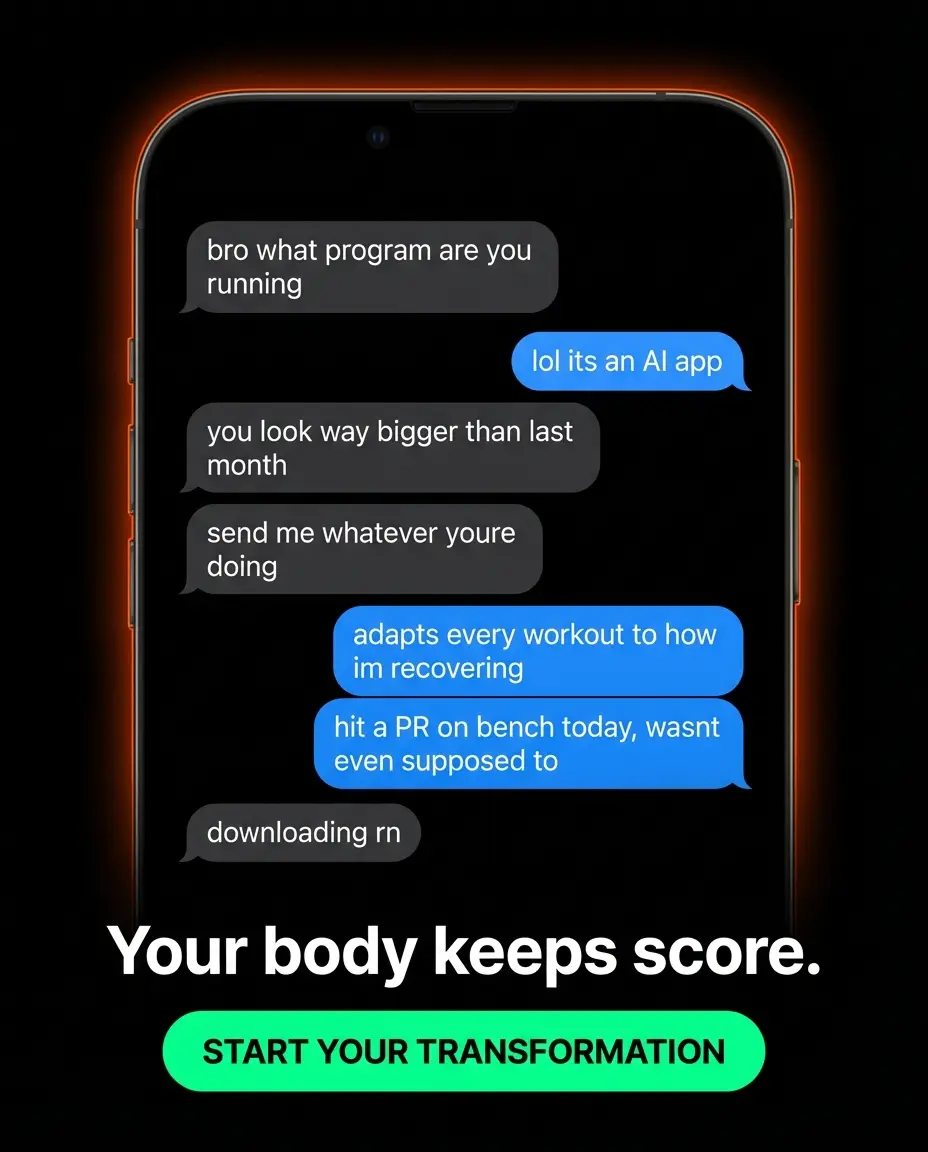
“When your gym buddy asks what you're on”
PEAK Performance
“You don't have a motivation problem.”
PEAK Performance
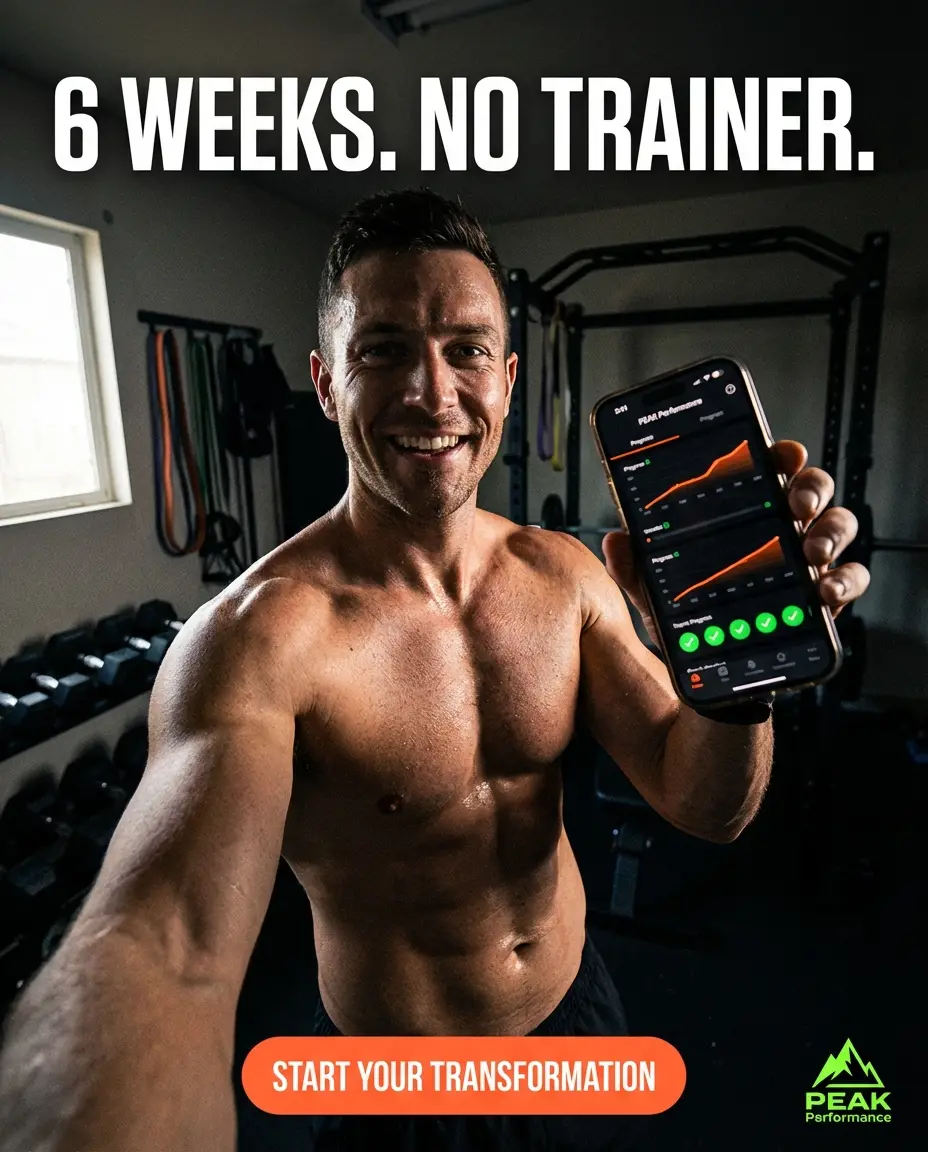
“6 weeks. No trainer. Just this app.”
PEAK Performance
What works in fitness advertising
Show the transformation journey, not just the destination. Progress shots at 2, 6, and 12 weeks feel achievable; final-state-only photos feel intimidating.
Lead with the emotional benefit — confidence, energy, mental clarity — not just the physical outcome. People join gyms for how they want to feel.
Use real members in ads, not fitness models. Relatable bodies in your creative dramatically increase click-through rates from your actual target audience.
Time-bound challenges ('30-day kickstart') outperform open-ended offers. A clear endpoint reduces commitment anxiety.
Pair every ad with a low-friction entry point. Free trial, free class, or free assessment removes the risk from a high-consideration decision.
Winning ad angles for fitness brands
Data-driven personalization
'your body isn't guessing, so why is your program?' resonates with app and coaching audiences.
Community over competition
emphasize the social and belonging aspects for boutique fitness and group training brands.
Anti-fitness-culture positioning
challenge bro-science and toxic gym culture to attract the underserved moderate fitness market.
Time efficiency
'20 minutes, 3x per week' hooks the time-poor professional segment that's massive and undertargeted.
Accountability partnerships
trainer-led programs and app coaching sell the relationship, not just the workout plan.
Common fitness ad mistakes
Using intimidating imagery. If your ad makes someone feel worse about their current state, they'll scroll past, not sign up.
Generic 'get fit' messaging with no specificity. 'Build your first pull-up in 8 weeks' converts better than 'get stronger.'
Ignoring seasonal patterns. January, May, and September are peak sign-up months — budget and creative should follow this cycle.
Forgetting retention marketing. Most gym revenue comes from keeping members, not acquiring them. Run ads to existing members too.
Over-indexing on equipment shots. Nobody joins a gym because of the machines — they join for the results and community.
Fitness ad creative checklist
Generate fitness ads for your brand
Tell Daily Ads about your product. Get scroll-stopping creatives in minutes — no designer needed.
Try Daily Ads Free