Skincare Ad Examples
Browse AI-generated skincare ad examples for beauty brands. Get inspired by scroll-stopping creatives for serums, moisturizers, and skin barrier products.
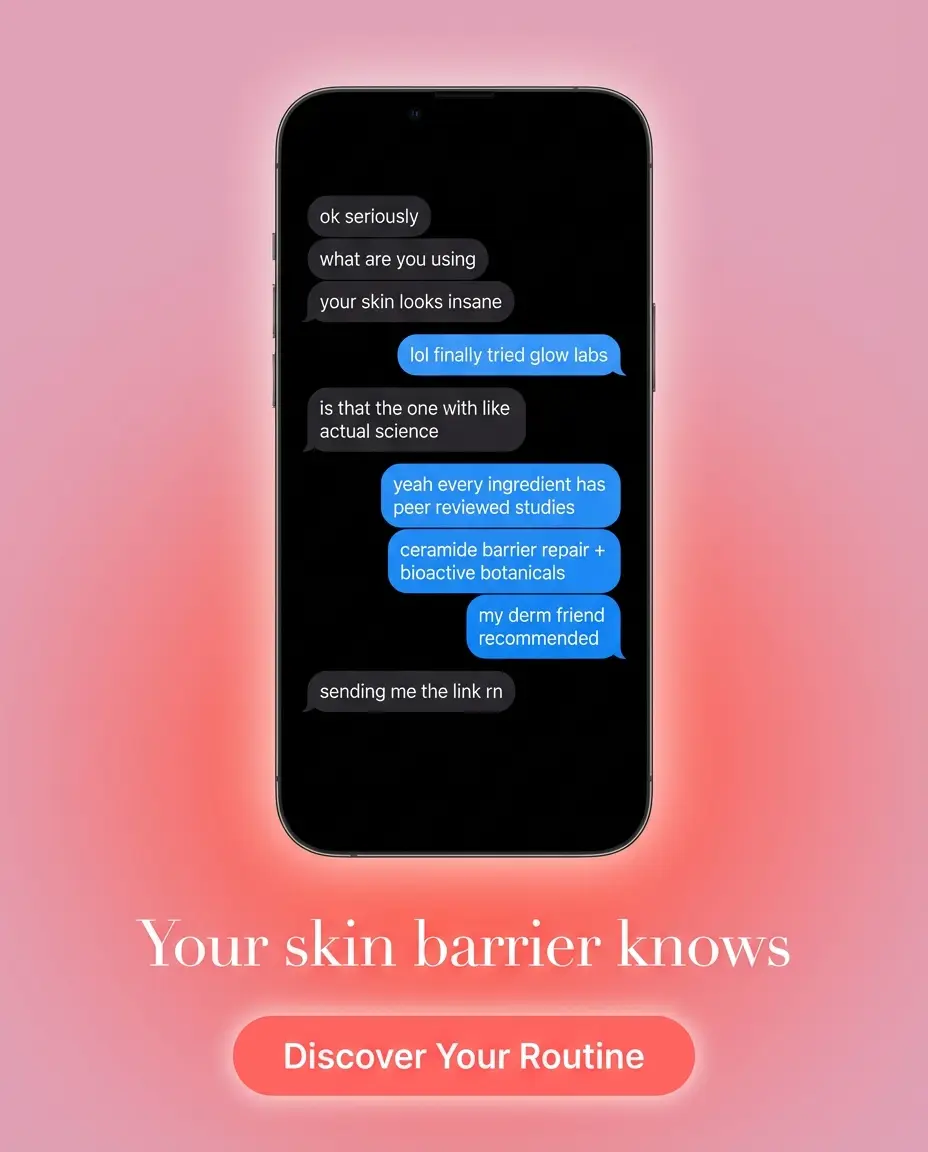
“Your skin barrier is literally texting you right now”
Glow Labs
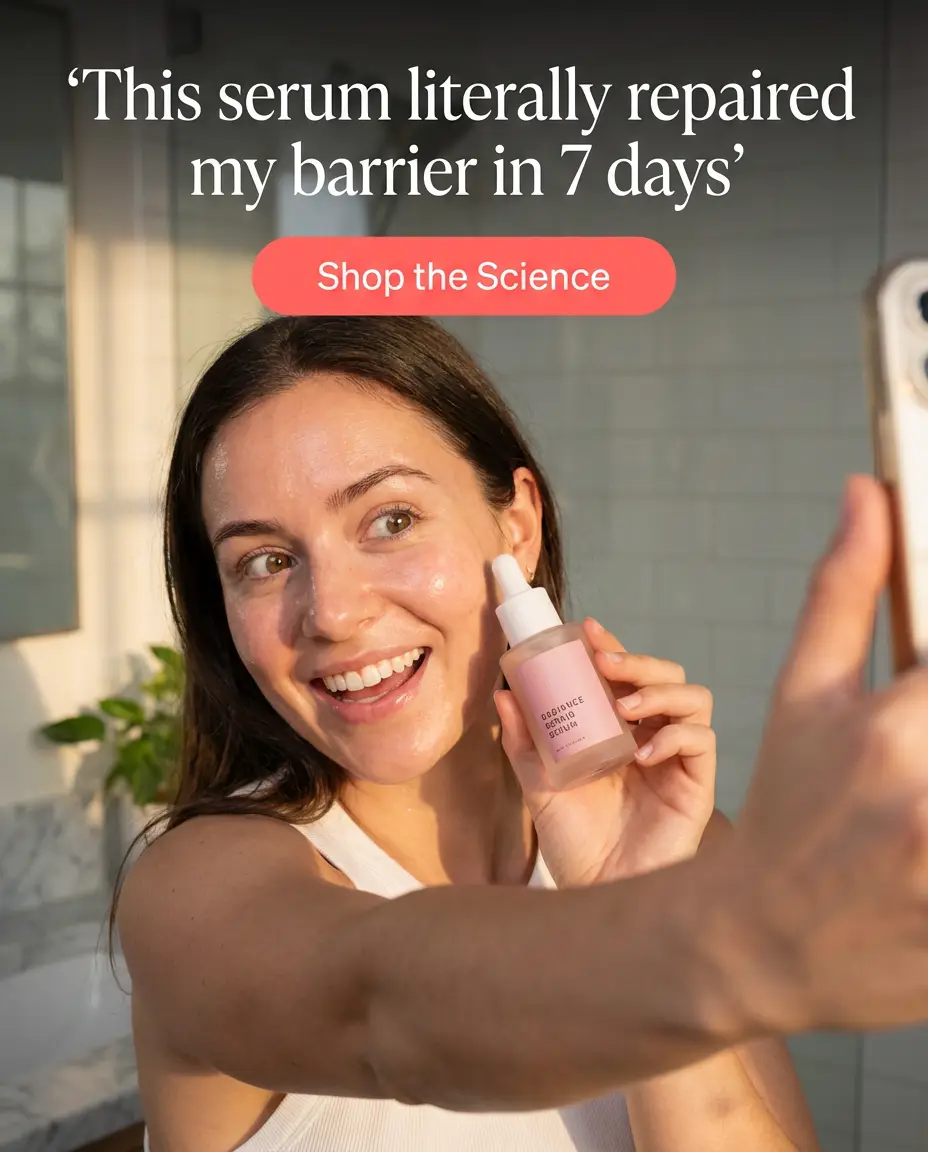
“This serum literally repaired my barrier in 7 days”
Glow Labs
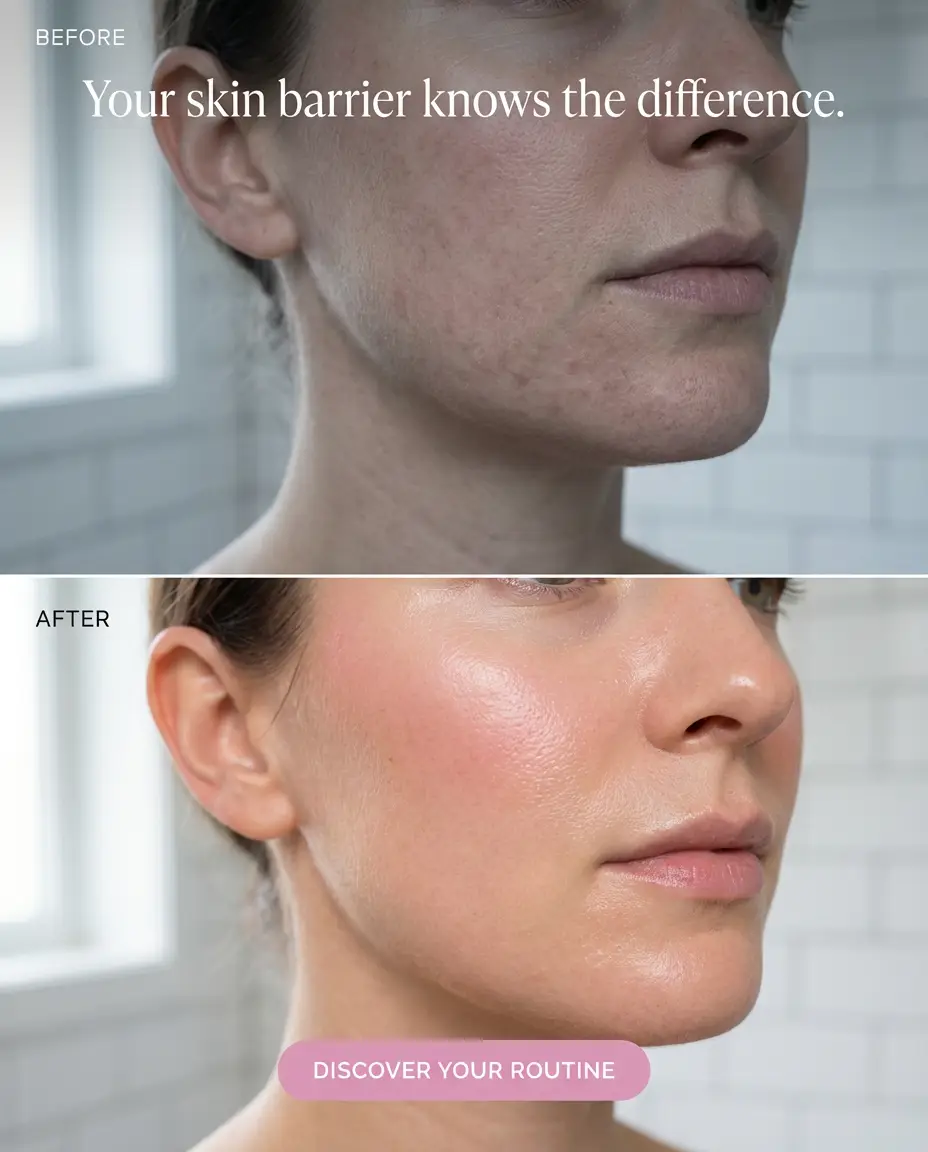
“Your skin barrier knows the difference.”
Glow Labs
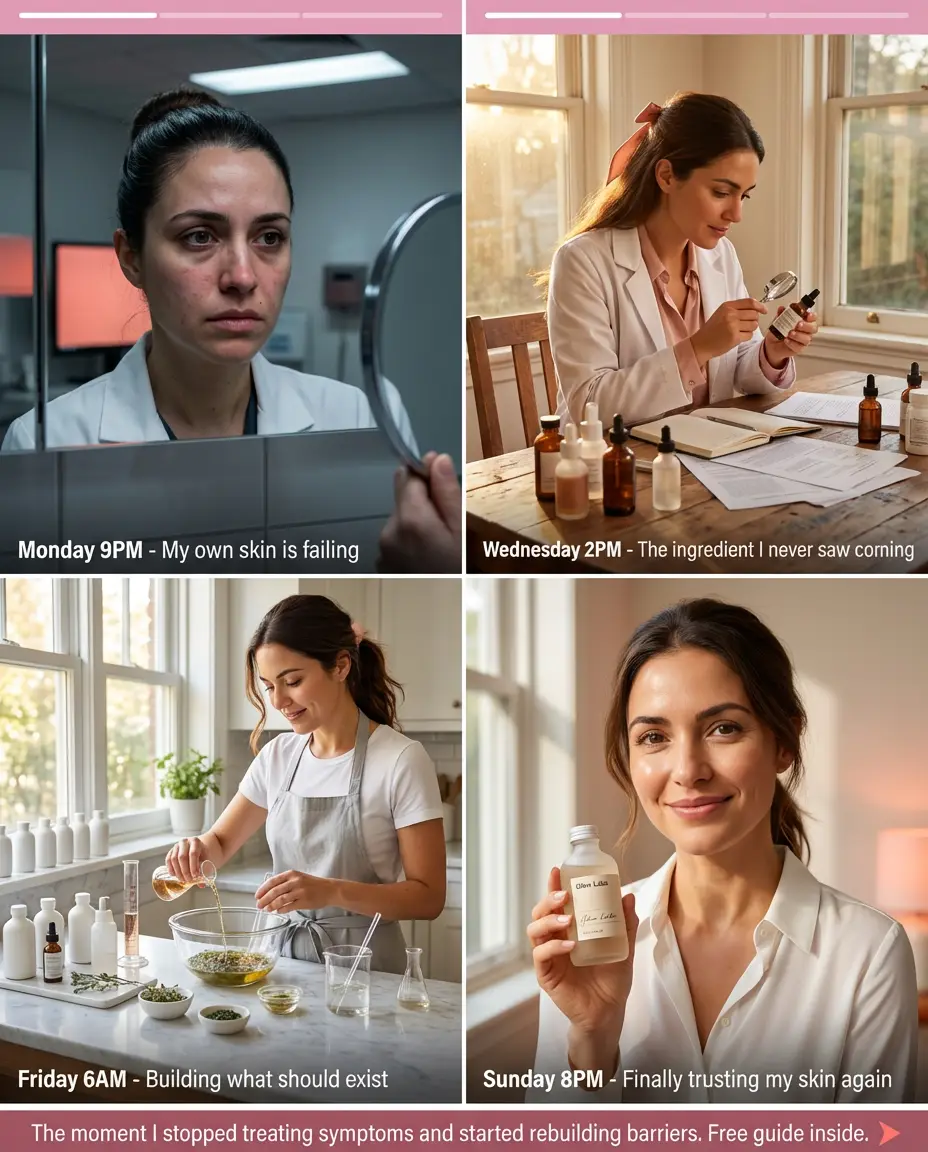
“I started Glow Labs after clean beauty destroyed my skin.”
Glow Labs
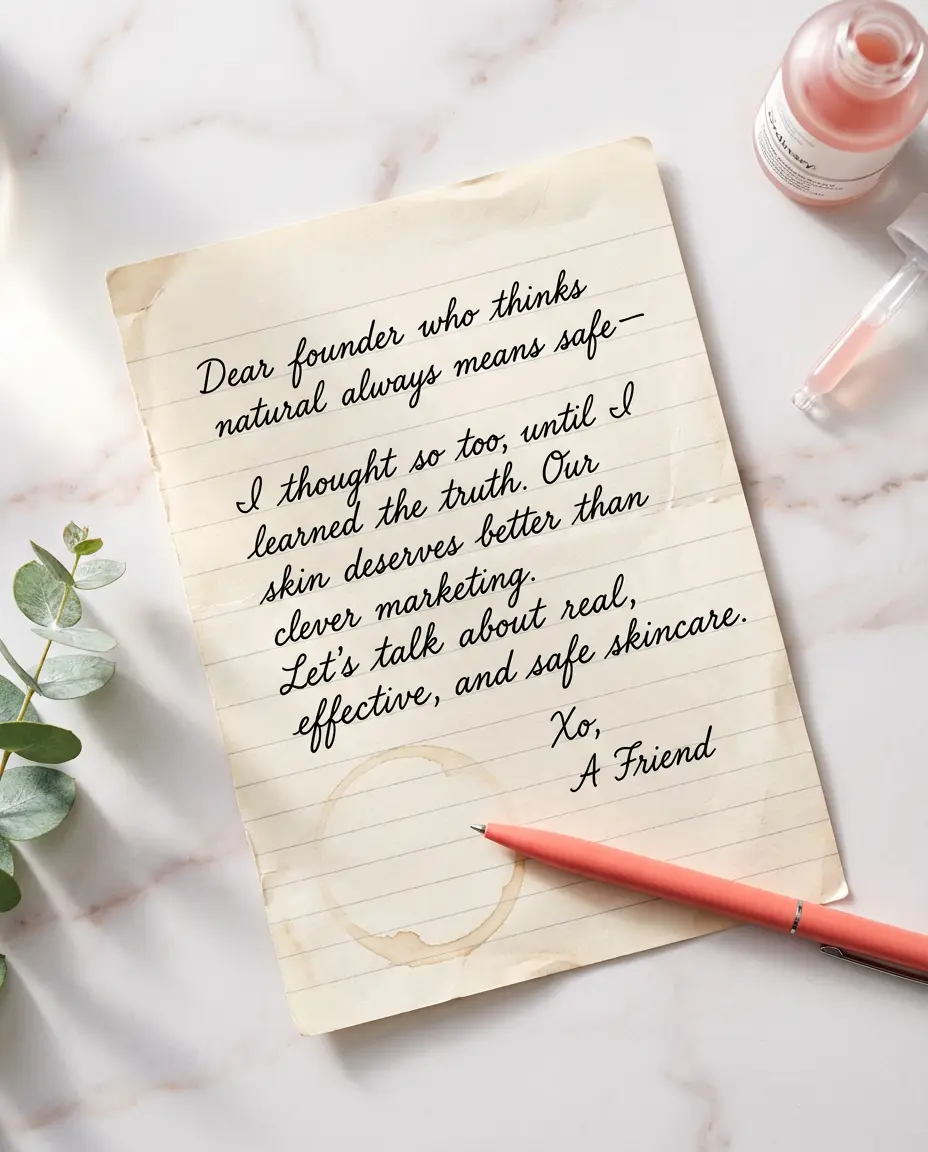
“The night I realized 'clean' skincare destroyed my skin barrier”
Glow Labs
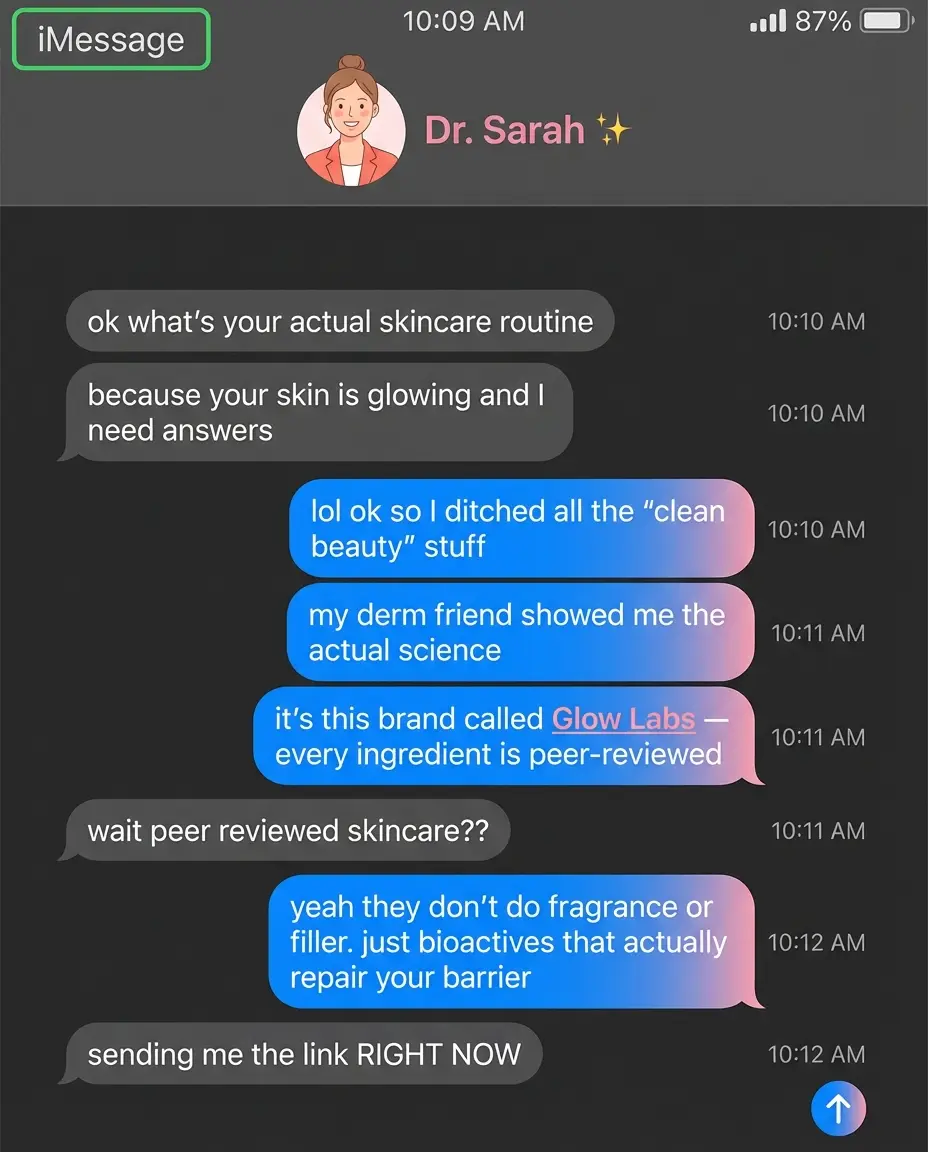
“Peer reviewed skincare??”
Glow Labs
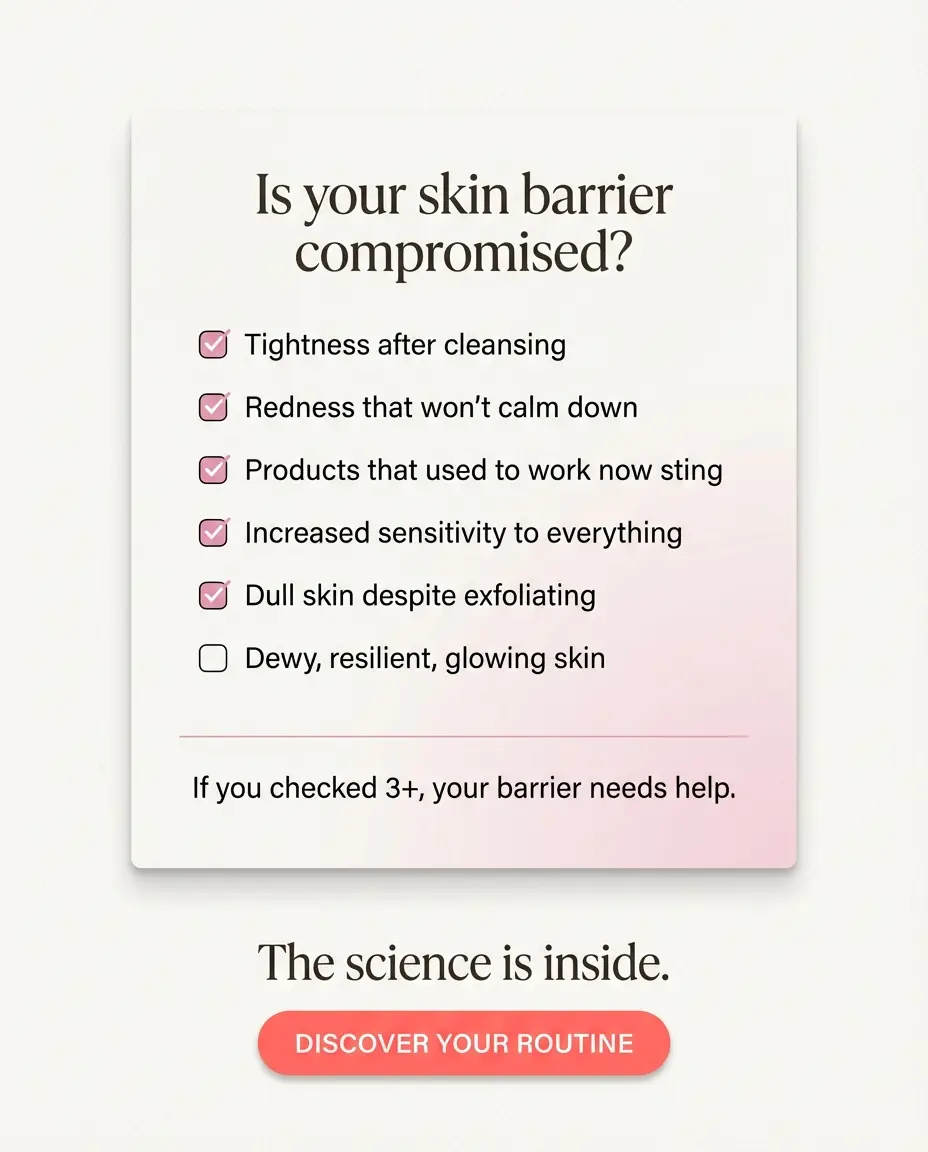
“Is your skincare routine slowly breaking down your barrier?”
Glow Labs
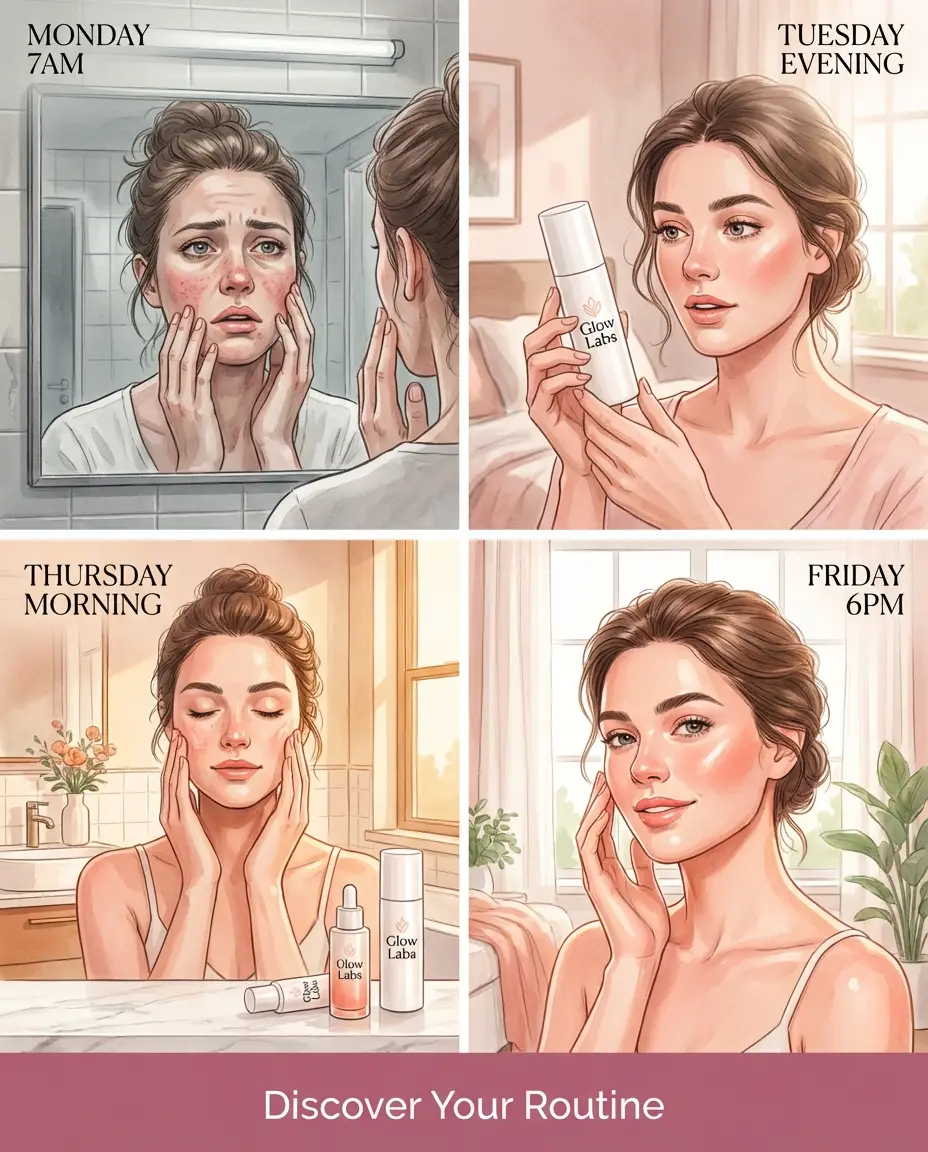
“Your skin barrier knows when you've been using the wrong products”
Glow Labs
What works in skincare advertising
Lead with the skin concern, not the ingredient — 'Fix your damaged moisture barrier' outperforms 'Contains hyaluronic acid' every time.
Show real texture and application. Swatches, skin closeups, and before/after shots drive 2-3x higher engagement than flat product photography.
Use the language your audience actually uses. 'Skin barrier' and 'glass skin' are search terms — 'dermatologically tested' is not.
UGC-style creatives consistently outperform polished studio shots for skincare. Authenticity builds trust in a category plagued by false claims.
Stack social proof early: dermatologist mentions, ingredient percentages, and user counts belong in the first 2 seconds of any ad.
Winning ad angles for skincare brands
Ingredient transparency
show exact percentages and sourcing, positioning against brands that hide behind 'proprietary blends'.
Routine simplification
'Replace 7 products with 1' resonates with skincare fatigue audiences tired of 12-step routines.
Skin barrier education
teach the audience something they didn't know about their own skin, then position your product as the fix.
Clean beauty skepticism
challenge the 'clean = better' narrative with science-backed formulation stories.
Real results timelines
'14 days to visible results' with dated photo evidence beats vague transformation promises.
Common skincare ad mistakes
Over-claiming results without proof. 'Transforms skin overnight' without before/after evidence gets ignored and reported.
Using stock photography that looks like every other skincare brand. If your ad could be anyone's product, it won't sell yours.
Ignoring platform-specific formats. A skincare ad that works on Instagram Stories will fail as a Facebook feed ad without reformatting.
Targeting too broadly. A retinol serum ad shown to 18-year-olds wastes budget. Skincare audiences segment sharply by concern and age.
Burying the hero ingredient. If your product's differentiator is bakuchiol or niacinamide, that should be the first thing people see.
Skincare ad creative checklist
Generate skincare ads for your brand
Tell Daily Ads about your product. Get scroll-stopping creatives in minutes — no designer needed.
Try Daily Ads Free